
In high-traffic food service areas, maintaining a pristine kitchen is crucial. These kitchens face constant use, leading to the buildup of grease, grime, and bacteria. Regular cleaning can handle surface dirt, but deep cleaning is necessary to ensure compliance with health standards and extend the lifespan of your equipment. This article will guide you through the benefits and processes of deep kitchen cleaning for busy food service environments, ensuring safety and efficiency.
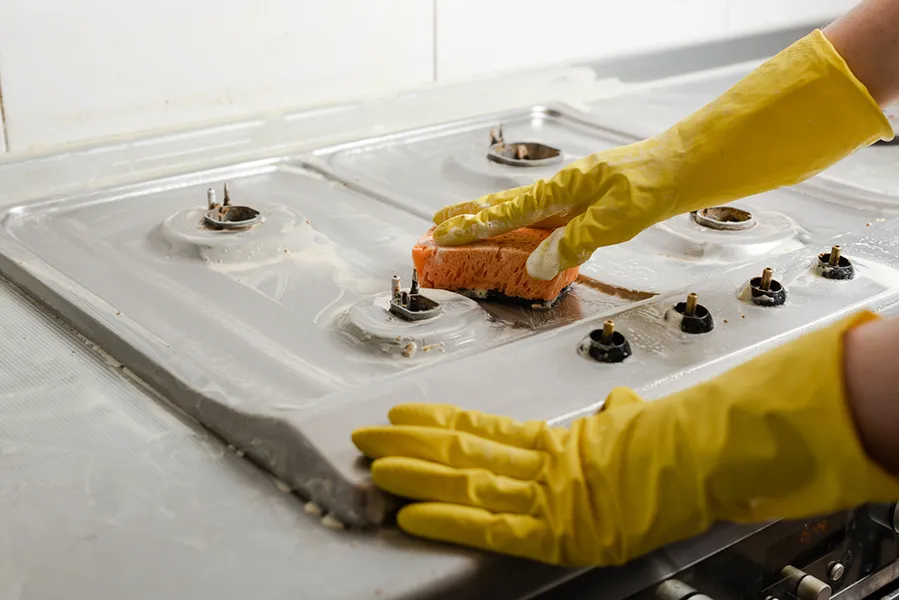
Importance of Thorough Hygiene Practices
Maintaining cleanliness in food service areas is vital for several reasons. A clean kitchen reduces the risk of foodborne illnesses, which can harm customers and damage a business’s reputation. Additionally, clean environments enhance employee morale and productivity. For these reasons, employing comprehensive cleaning practices is not just beneficial but essential.
Tackling Difficult Areas in Kitchen Environments
Kitchen cleaning involves addressing challenging spots that might be overlooked during regular maintenance. Grease accumulates on surfaces like hoods and vents, while floors may trap debris in grout lines. Equipment such as ovens and fryers also require frequent attention to prevent malfunction. Addressing these areas ensures a sanitary and efficient kitchen.
Advantages of Consistent Sanitation Efforts
Implementing consistent deep cleaning routines offers numerous advantages. It prolongs the life of kitchen appliances by preventing wear from accumulated grime. It also enhances air quality by removing odors caused by leftover residues. Moreover, thorough cleaning prevents pest infestations, safeguarding against potential health code violations.
Common Challenges in Busy Kitchen Spaces
High-traffic kitchens often face challenges like tight schedules and limited downtime. Cleaning around working hours without disrupting service is difficult. Time constraints may lead to skipped areas or rushed jobs, resulting in subpar hygiene levels. Recognizing these hurdles can help businesses plan effective strategies for thorough cleaning.
Effective Deep Cleaning Strategies
To perform an effective deep clean, follow a systematic approach:
- Start by removing loose debris from all surfaces.
- Apply degreasers to break down stubborn grease.
- Focus on hard-to-reach areas like behind appliances.
- Clean and sanitize cooking equipment thoroughly.
- Ensure ventilation systems are free from obstructions.
This structured method ensures no spot is left uncleaned, maintaining hygiene across the entire kitchen space.
Best Practices for Sustained Cleanliness
Adopting best practices helps sustain cleanliness over time. First, schedule regular inspections to identify potential trouble spots early. Train employees on proper sanitation techniques to maintain standards between professional cleanings. Lastly, invest in quality cleaning products and tools designed for heavy-duty use to streamline the process.
Cost Considerations and Value Assessment
The cost of deep kitchen cleaning varies based on factors like kitchen size and condition. While it may seem costly upfront, investing in regular deep cleans can save money long-term by avoiding hefty fines from failed inspections or replacing damaged equipment prematurely. Calculating the return on investment (ROI) highlights the financial benefits of maintaining a clean kitchen environment.

Your Partner for Professional Cleaning Services
For those seeking expert assistance, Cleaning Solutions The One offers comprehensive solutions tailored to your needs. Located in San Jose, CA, our team specializes in delivering top-notch services that keep your kitchen pristine. Contact us at (408) 786-3170 to discuss how we can support your commitment to hygiene and excellence in your food service operations.